
Green Hydrogen: Clean Fuel of the Future

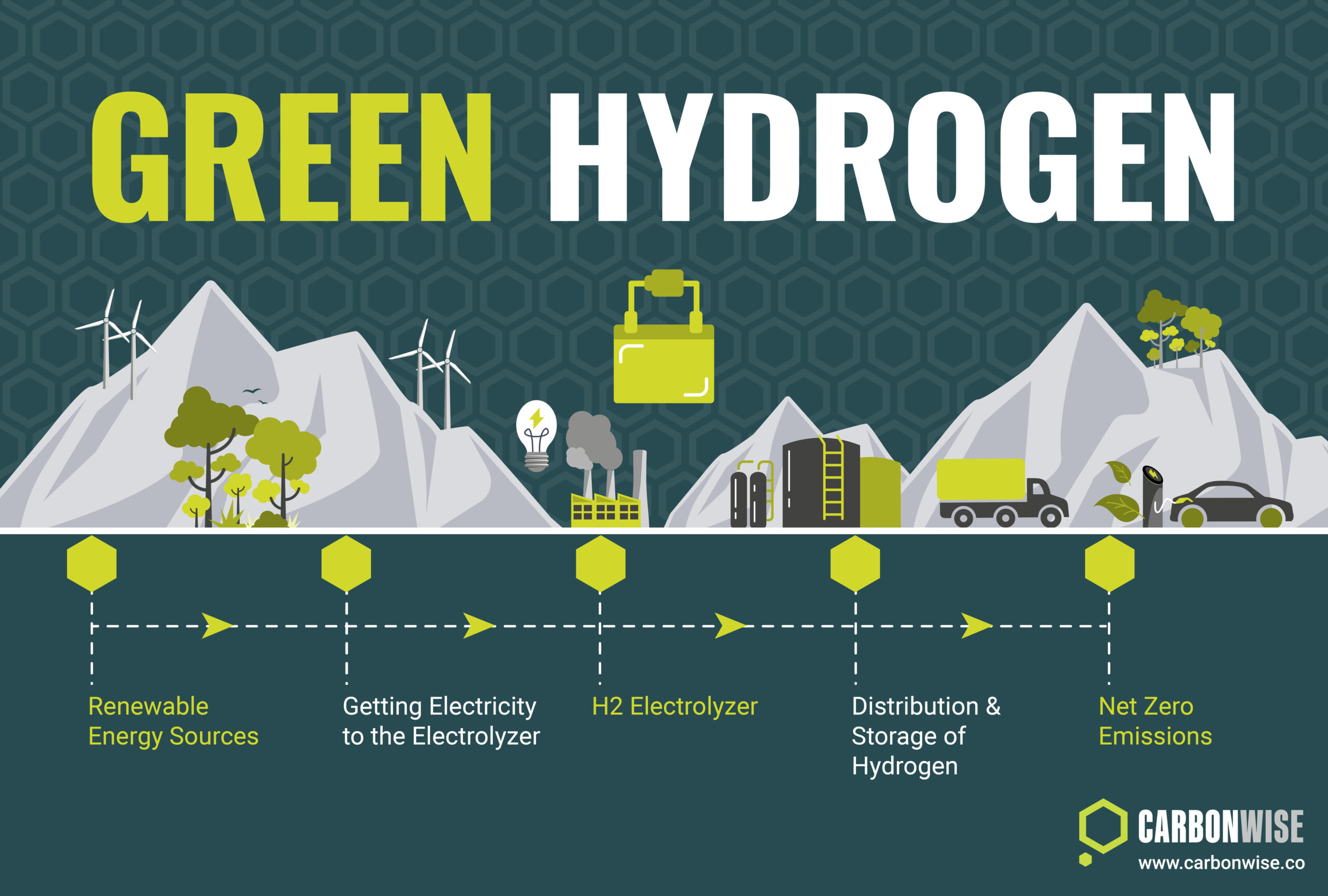
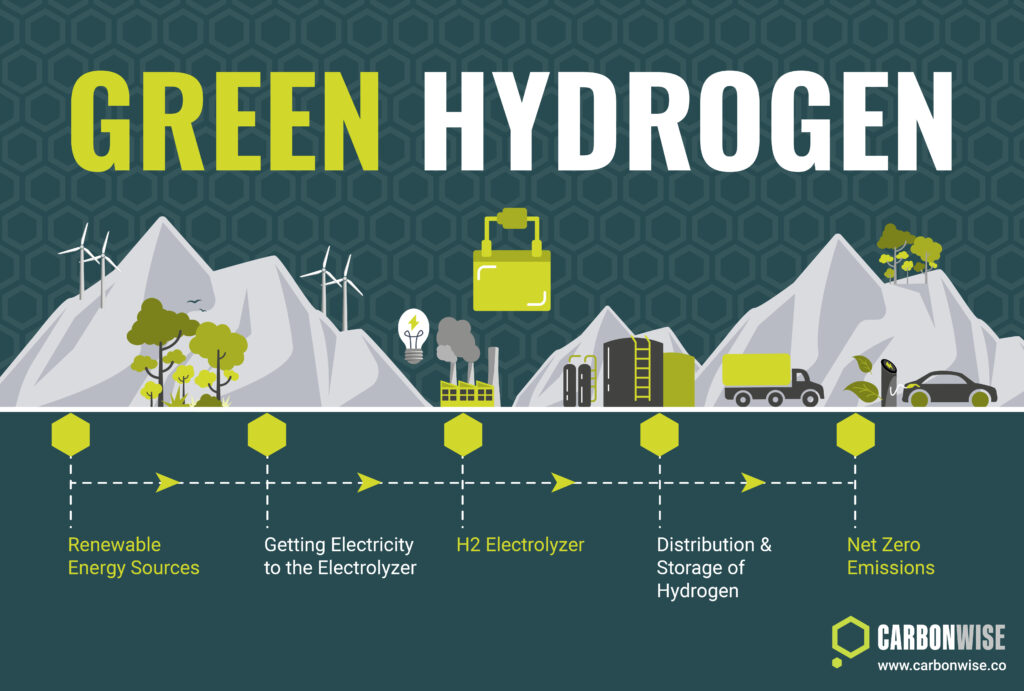
Green hydrogen involves producing hydrogen gas using renewable or other low-carbon electricity. For example, electricity generated by wind farms or solar parks is used to power an electrolyzer, which chemically splits water into its constituent parts, hydrogen and oxygen. The hydrogen fuel can be stored and transported by pipeline or road to supply end users in the industrial or transportation sectors. When used to power fuel cell vehicles, for example, the use of hydrogen to generate electricity emits only water vapour and warm air as waste products, making it a zero emissions vehicle.

Content up-to-date at time of publication

Technology

DATA COMPILED BY

The Carbonwise editorial team is formed of seasoned established industry writers and specialist journalists.

LATEST VISUAL LEARNING

This chart shows the total amount of man-made emissions created by the world's biggest polluters.
The amount of atmospheric CO2 has charted a steady climb higher. The Mauna Loa Observatory on the north flank of volcano of the same name
In the context of economics, an externality is a consequence of a business or industrial activity that affects third parties but which is not reflected
CO2 emissions from the industrial sectors led to a year-on-year drop in 2025 under the EU Emissions Trading System, according to verified European Commission figures
Refers to sectors in which greenhouse gas emissions are difficult to reduce. Includes industries such as iron and steel, cement, refining, chemicals, shipping, aviation and

11 June 2026

GLOSSARY
Externalities

In the context of economics, an externality is a consequence of a business or industrial activity that affects third parties but which is not reflected in market prices.

22 May 2026

HIGHLIGHT
Construction slowdown a factor in lower EU ETS CO2 emissions in 2025: EC

CO2 emissions from the industrial sectors led to a year-on-year drop in 2025 under the EU Emissions Trading System, according to verified European Commission figures released in April.

19 May 2026

GLOSSARY
Hard-to-abate

Refers to sectors in which greenhouse gas emissions are difficult to reduce. Includes industries such as iron and steel, cement, refining, chemicals, shipping, aviation and heavy duty trucks.

Work with us

Partner with the Carbonwise team to produce innovative educational content on Carbon Markets

Work with us

Partner with the Carbonwise team to produce innovative educational content on Carbon Markets.

Sign up to our monthly newsletter for the latest content releases, events, training offers & more!​

Join the Carbonwise community