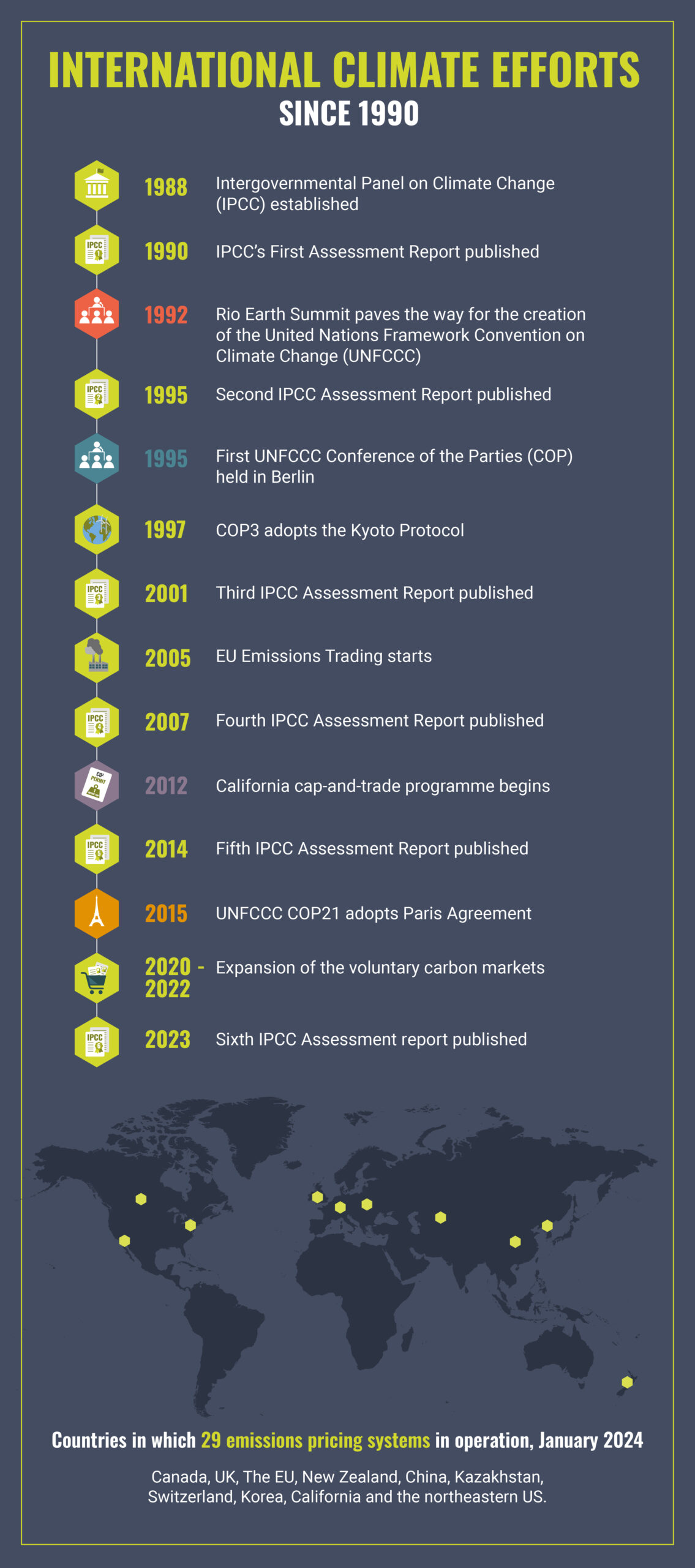
International Climate Efforts Since 1990

Visual Learning

Climate efforts since 1990 have centred around the United Nations process, while in parallel, the scientific understanding of climate change has advanced, and been widely disseminated, through the IPCC’s regular reports.

While the collective climate ambition has increased at a pace that many regard as too slow to meet the challenge, the UN process necessarily involves consensus among more than 190 countries. This also means that decisions that do occur at the UN enjoy widespread support from governments and are likely to stick.

Under the umbrella of UN climate goals, countries have responded individually and in groups, to deliver supporting policy frameworks such as emissions trading systems, carbon taxes, direct emissions regulation and support for low carbon energy, transport and industrial processes.

The climate negotiating process is alive, renewable energy costs have fallen and carbon pricing continues to expand globally with new carbon markets emerging in many of the fast-growing economies while older more established carbon markets continue to expand their coverage into new sectors.

Content up-to-date at time of publication

Climate Change

DATA COMPILED BY

The Carbonwise editorial team is formed of seasoned established industry writers and specialist journalists.

LATEST VISUAL LEARNING

This chart shows the total amount of man-made emissions created by the world's biggest polluters.
The amount of atmospheric CO2 has charted a steady climb higher. The Mauna Loa Observatory on the north flank of volcano of the same name
Under CCS, carbon emissions are captured and permanently stored, for example in geological storage sites.
Carbon Capture, Utilisation and Storage (CCUS) is a method of reducing carbon dioxide emissions by trapping the gas for industrial use or permanent storage, preventing
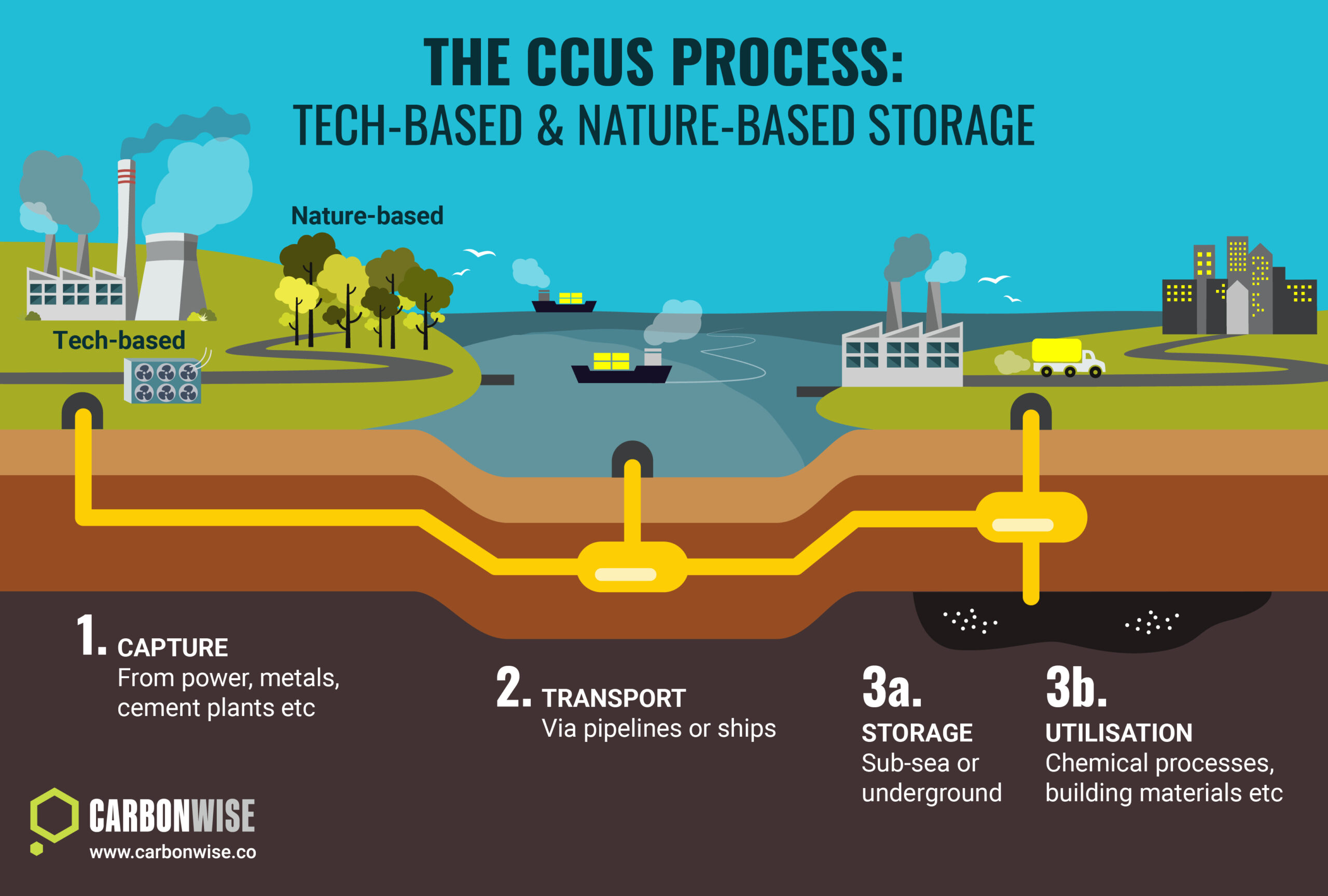
Technology and nature-based carbon capture are two approaches that are viable and crucial tools needed to stabilise atmospheric concentrations of CO2.

15 January 2025

GLOSSARY
CCUS/CCS

Under CCS, carbon emissions are captured and permanently stored, for example in geological storage sites.

23 December 2025

ARTICLE
What is Carbon Capture, Utilisation & Storage?

Carbon Capture, Utilisation and Storage (CCUS) is a method of reducing carbon dioxide emissions by trapping the gas for industrial use or permanent storage, preventing its release into the atmosphere.

22 December 2025

VISUAL LEARNING
The CCUS Process

Technology and nature-based carbon capture are two approaches that are viable and crucial tools needed to stabilise atmospheric concentrations of CO2.

Work with us

Partner with the Carbonwise team to produce innovative educational content on Carbon Markets

Work with us

Partner with the Carbonwise team to produce innovative educational content on Carbon Markets.

Sign up to our monthly newsletter for the latest content releases, events, training offers & more!​

Join the Carbonwise community